

What is Norges Sildesalgslag?
Simply put, Norges Sildesalgslag is a sales organization and cooperative (SA) that sells and distributes fish from fishers to various buyers along the entire coast. Also known as “Sildelaget,” we are owned and governed by the fishers and operate as a nationwide organization. Whether you fish pelagic species in the north, south, east, or west, we are the ones who help you sell your catch. This has been our role since 1989, when the three largest pelagic sales organizations merged.
Which fish are traded and what are they used for?
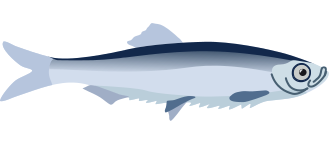
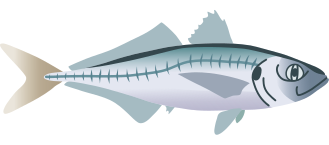
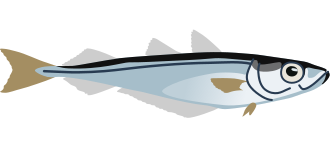
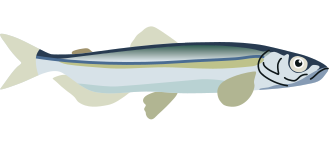
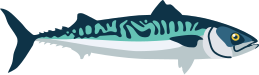
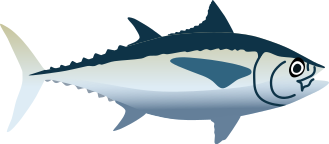
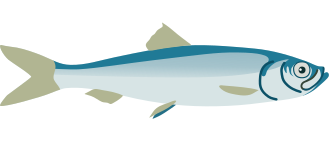
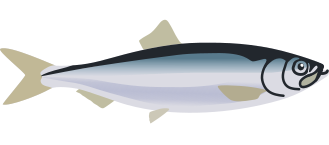
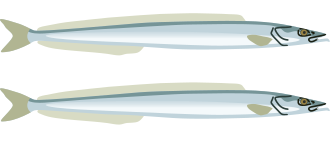
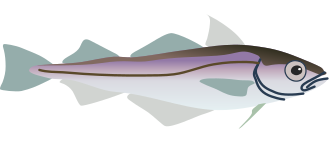
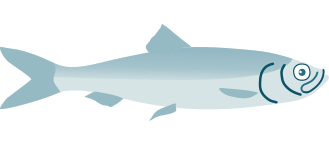
The fish traded through Norges Sildesalgslag are called pelagic species—fish that swim in schools in the open ocean. These include herring, mackerel, capelin, sand eel, and sprat. Pelagic fish are used for food and as raw materials for fishmeal and oil. These raw materials are also used in feed for aquaculture. Each year, we trade around 1.5 million tonnes of fish—enough to feed approximately 10 million people every single day around the world.
How does the sales process work in practice?
Virtually all trading takes place via an electronic auction, where catches are listed for sale to potential buyers while the vessel is still at sea. The catch is reported by phone, and the buyer’s bidding is based on a detailed description of the catch: species, quality, size, quantity, location and time of catch—along with other relevant data to help buyers place informed bids. The catch is offered to buyers within a designated “sales area” to ensure that as many buyers as possible have the opportunity to bid, and that the quality is maintained when the vessel arrives. Larger vessels can travel farther with their catch than smaller ones.
Norwegian vessels and buyers are the primary participants in the auction, but foreign vessels also come to Norway to deliver and sell their catch through Norges Sildesalgslag. Similarly, Norwegian vessels may deliver to foreign ports that are reasonably close to the fishing grounds, provided the quality is not compromised. Naturally, this system requires trust: fish auctions elsewhere in the world are typically based on physical display of fish in boxes, allowing buyers to see what they’re bidding on—but not here.
How is Sildelaget operated?
Everything is organized from our office in Bergen, where transactions are carried out and monitored by a staff of around 45. All processes are electronic, making them both efficient and cost-effective. Fishers pay only 0.45% of the catch value for the services provided by Sildelaget—likely the world’s most affordable way to sell fish at first-hand.
As part of our services, we also ensure a steady flow of information back to the fishers about developments in the industry. This helps fishers better understand their role in the long value chain—from the moment the fish is brought onboard to when it ends up on a dinner plate in Europe, Asia, Africa, or somewhere else in the world where Norwegian pelagic fish is on the menu.
Control and Research
Maintaining Norway’s position as one of the world’s best managers of marine resources is a challenge. Part of Sildelaget’s responsibility is to inspect the catches delivered to fish landing facilities. This is done through physical inspections by our inspectors, as well as verification of catch reports and final sales notes. These controls help ensure fair competition and sound management of the resource base for all participants in our marketplace.
Sildelaget also maintains a large database containing information on all pelagic fishing activities. This helps Norwegian authorities monitor quotas in an industry that must remain both healthy and sustainable. This is a key part of our social responsibility. The data helps ensure that Norway remains a seafood nation for generations to come—providing food to a world with growing nutritional needs.
Environmentally Friendly Food
Norway is world-renowned as a seafood nation and is the second-largest seafood exporter globally—with an export value of over NOK 150 billion in 2022. Clean and healthy food that also has a low carbon footprint. This is something Norges Sildesalgslag contributes to and is proud of.
The potential for growth is enormous: only 2–3% of the world’s food comes from the ocean!